SEASON 2026-2027
Contre - Balfolk: Get into the Rhythm of Europe!
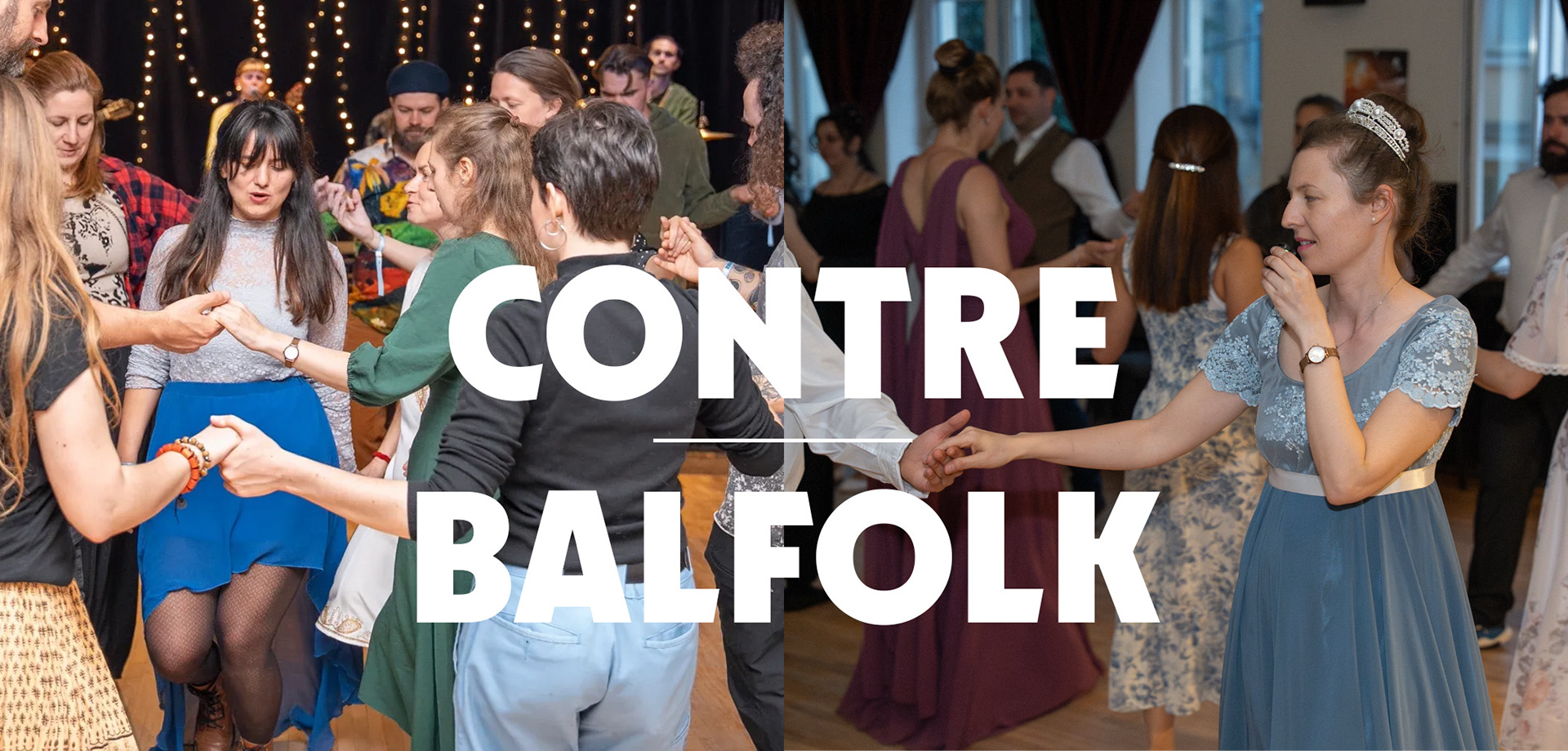
Looking for a new way to enjoy movement, music, and shared energy? Contra & Balfolk brings together two exciting social dance traditions in weekly workshops!
What is Contredanse?
A dance tradition with roots in English and Scottish folk dancing, where couples dance in two lines facing each other. It is lively, joyful, and inclusive, with plenty of partner changes and continuous movement!
A dance tradition with roots in English and Scottish folk dancing, where couples dance in two lines facing each other. It is lively, joyful, and inclusive, with plenty of partner changes and continuous movement!
What is Balfolk?
A vibrant and evolving European social dance culture that brings together dance traditions from France, Belgium, Portugal, and across the continent, with a contemporary spirit of connection, sharing, and improvisation.
A vibrant and evolving European social dance culture that brings together dance traditions from France, Belgium, Portugal, and across the continent, with a contemporary spirit of connection, sharing, and improvisation.
Weekly Schedule
Each evening is divided into two sessions:
Each evening is divided into two sessions:
20:00 - 21:00 | Contra Dance
21:00 - 22:00 | Balfolk
21:00 - 22:00 | Balfolk
Conscious Contribution
The event is self-funded through donations, which help cover venue rental and organisational costs.
Here is the recomended price...
- 1 workshop (one session): €7
- 2 workshops (full evening programme): €10
The event is self-funded through donations, which help cover venue rental and organisational costs.
Here is the recomended price...
- 1 workshop (one session): €7
- 2 workshops (full evening programme): €10
Bring your friends!
What do you need?
- Comfortable, clean shoes (no heels) and clothes that allow you to move freely.
- No need to bring a partner - we'll pair up and change partners throughout the evening! Anyways it is fun to be more, so bring friends, if you have some
- A little curiosity and a good mood.
- No need to bring a partner - we'll pair up and change partners throughout the evening! Anyways it is fun to be more, so bring friends, if you have some
- A little curiosity and a good mood.
We look forward to dancing with you!
Where: 86 Tsar Samuil Street, Community Centre "Priroda i Nauka"
When: Every Wednesday from 20:00
When: Every Wednesday from 20:00
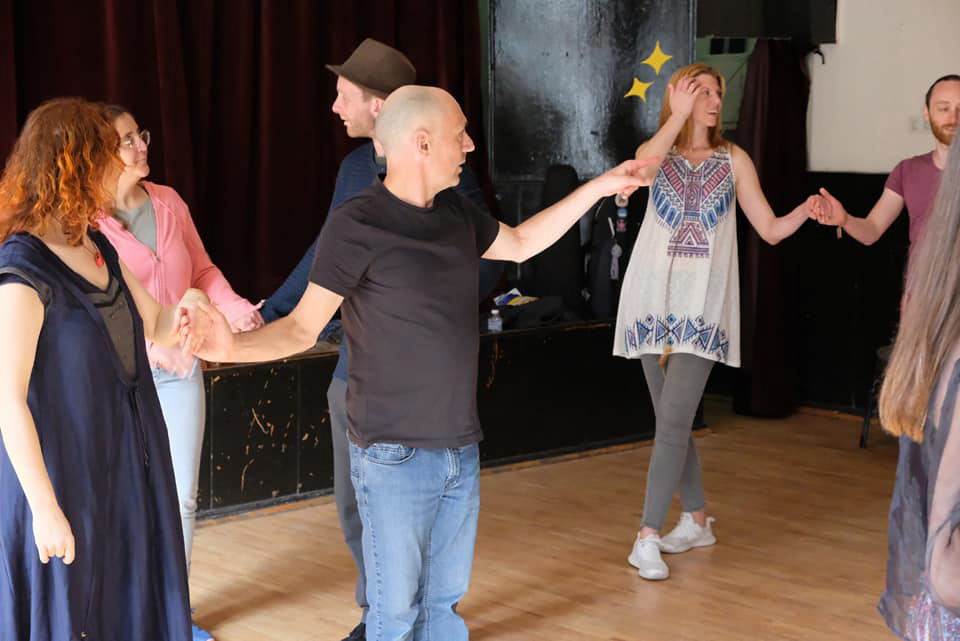
Workshops in European Folk Dances
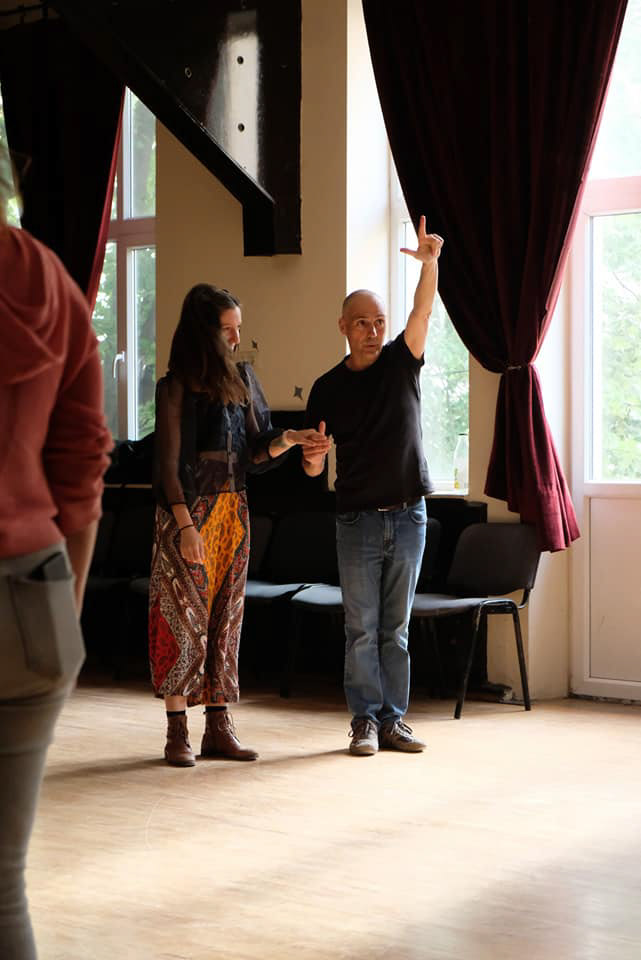
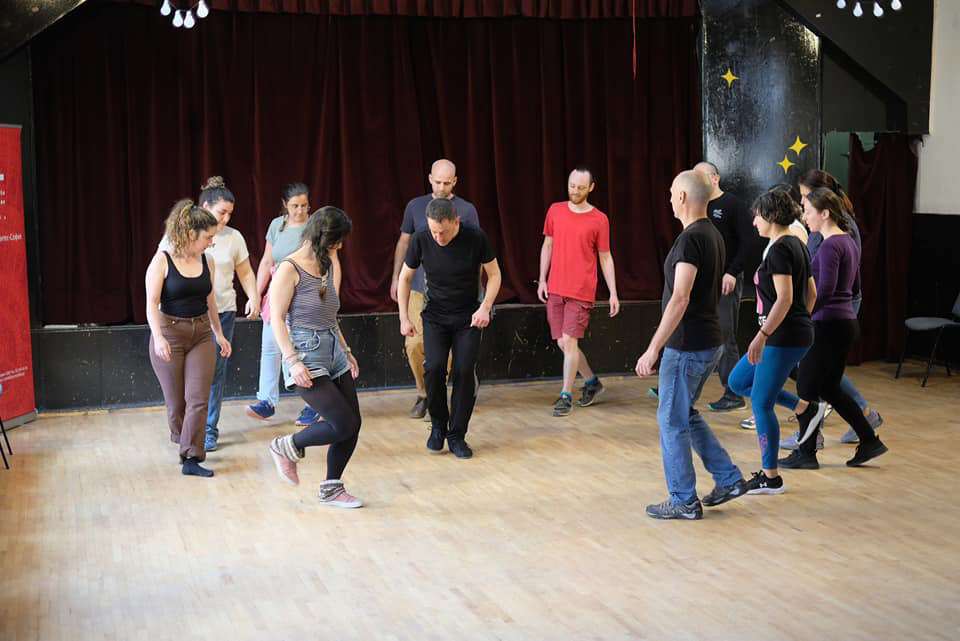
Join our balfolk dance workshops, held from September to May! Every second and fourth Wednesday of the month, you have the chance to immerse yourself in the magic of traditional European dances.
When: Every second and fourth Wednesday of the month Period: October – May Registration: With prior registration and until all spots are filled Where: Community Center “Nature and Science”, 86 Tsar Samuil St., Sofia
Each workshop ends with a small party featuring music to reinforce the dances you’ve learned.
Our workshops are suitable for both beginners and advanced dancers. Under the guidance of experienced instructors, you will learn basic and advanced steps, have fun, and meet new people who share your passion for dance. Don’t miss the chance to join our workshops and enjoy unforgettable dance evenings!
THE MOST POPULAR TYPE OF DANCES HERE ARE MIXERS:
dynamic and diverse group dance experience
Mixers are a special type of set dance in which participants constantly change partners. The term comes from the Anglo‑Saxon tradition and refers to dance forms designed for large groups of dancers, where each new figure leads to a new partner combination.
Main Types of Mixer Dances
Mixers exist in various national and regional variations, including:
English style: Circassian Circle, Lucky Seven, Kenneth, Chapelloise
American style: Swedish Finn Mixer, Trio Mixer, O Susannah, Shoo Fly, Bastringue
Scandinavian style: Aleman's Marsj, Klipplev Market
In addition to traditional dances, new figures are constantly being invented, especially in England, the USA, France, and Belgium. Some variations become so complex that every step may lead to a partner change, such as Kiss My Ear, My Spouse is Coming, Beggars Can't Be Choosers, and others.
Structure of Mixer Dances
These dances can be organized in two main ways:
Large circle – where all dancers move together and regularly change partners.
Large set – where groups of dancers work in structured formations but continue to change partners.
The broader concept of mixers also includes Sicilian circles, where dancers keep the same partner but change the couple they dance with. There are also triple mixers, where the dancing pair expands into a trio (most often a boy between two girls).
Mixers in France
While the Anglo‑Saxon folk dance revival preserves authentic names and forms, France has developed local adaptations such as Cercle Circassien and Chapelloise, which are widely spread in balfolk communities.
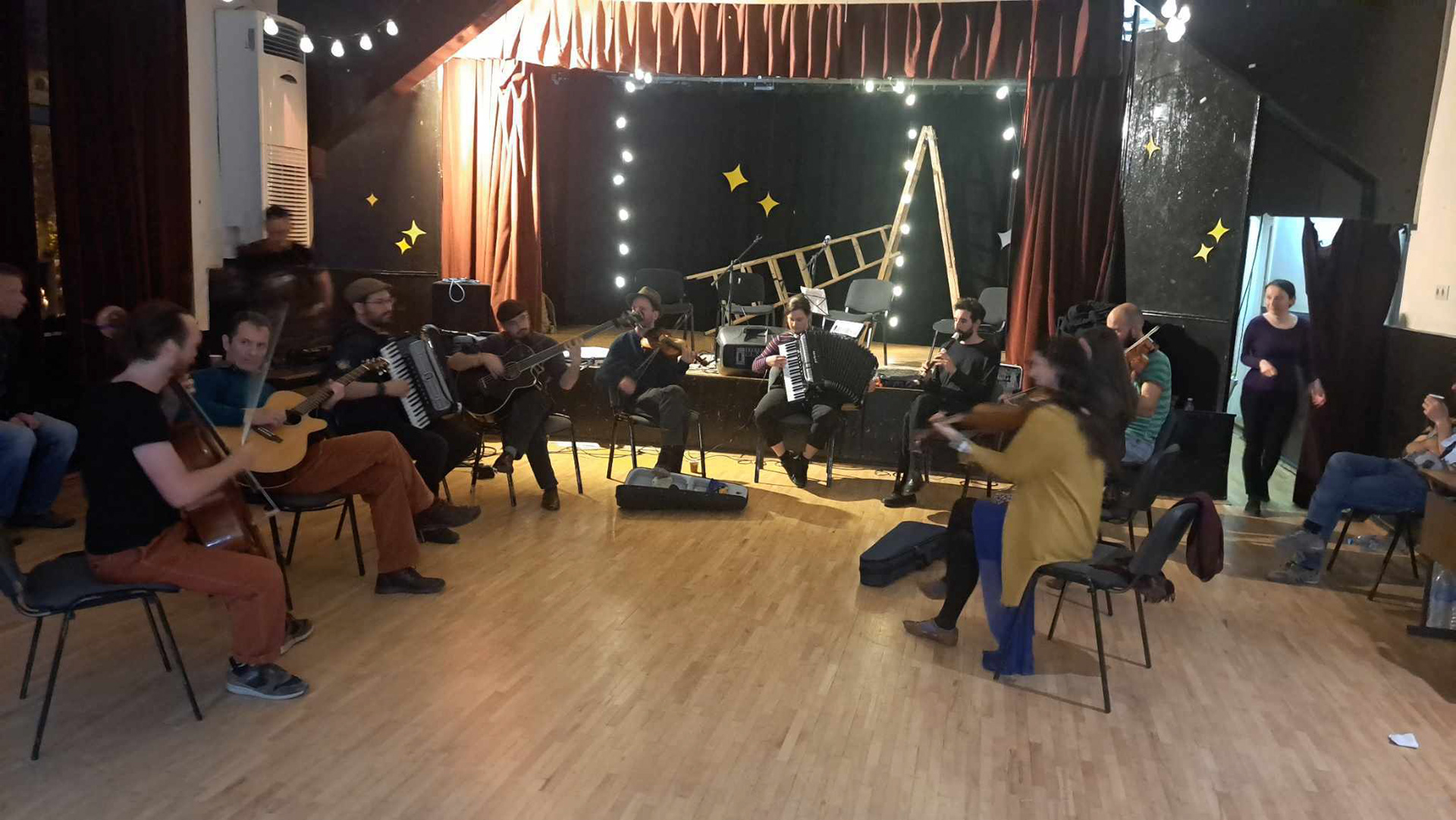
TUNE CIRCLE
Tune Circle is a musicians’ folk gathering where we learn and share tunes from the balfolk and Balkan traditions — one tune from each world in every session. Each meeting ends with a short performance as part of the Sofia Balfolk Weekend, giving participants a chance to play together in a warm, supportive atmosphere.
Every season we invite guest musicians to lead the sessions, bringing new styles, new energy, and fresh repertoire to explore.
SEASON 1 : Leading Guest Musician - Kaan Sancaktar (TR)
SEASON 2: Leading Guest Musician - Isabel Sokol-Oxman (US) & Arwen Sentis (FR)
SEASON 3: : Leading Guest Musician - Kiril Belzhkov (BG), Niya Lecheva (BG), Raoul Guidin (FR)